
Informal Settlement Upgrading and Disaster Resilience in Windhoek |
A closer look at disaster risk reduction efforts and flash flood preparedness shaping the city's future |
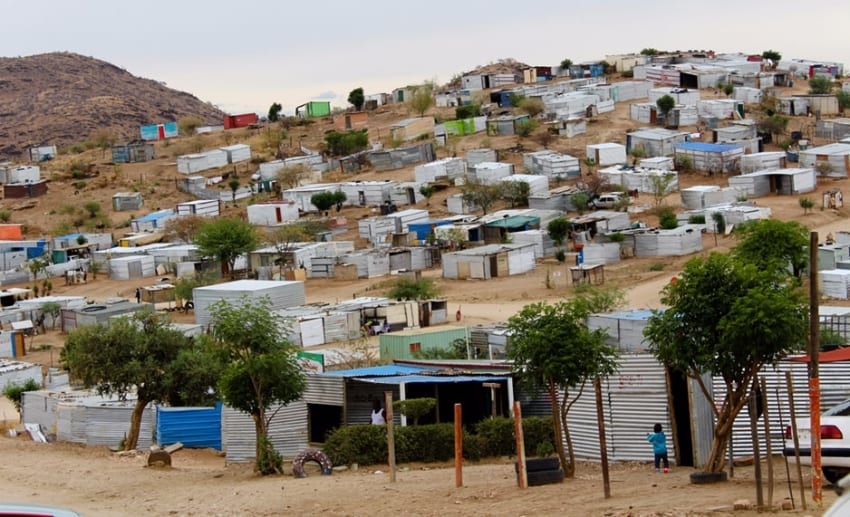
For the thousands of Windhoek residents living in informal settlements, every rainy season is a gamble - one that too many families have already lost.
That reality is now driving one of the most ambitious commitments the City of Windhoek has ever made: a sweeping push toward informal settlement upgrading as the cornerstone of its long-term disaster resilience agenda.
The urgency is not difficult to understand.
Early in 2025, flash floods tore through the Otjomuise area, displacing more than a thousand residents in a single afternoon and reducing countless makeshift homes to rubble.
Discarded tyres blocking drainage channels worsened the flooding, turning what might have been manageable runoff into a surge that overwhelmed entire sections of the settlement.
Inspections in other parts of the city later revealed a recurring and troubling pattern - residents occupying riverbeds and natural water channels, placing themselves directly in harm's way each time storm clouds gather over the Khomas Highland.
Officials say roughly one-third of Windhoek's population lives in informal housing, often in environmentally fragile zones exposed to flash flood preparedness shortfalls, fire risk, and extreme weather.
With the city's population racing past the half-million mark, that proportion represents hundreds of thousands of people navigating daily life without the structural protections that formal housing typically provides.
The tipping point came when city leadership acknowledged that emergency response alone could no longer carry the weight of what is essentially a structural crisis.
The result is the City of Windhoek Disaster Risk Reduction Strategy and Action Plan 2026–2030, a five-year blueprint approved by council that reframes how the city approaches hazard management from the ground up.
Rather than reacting to floods, fires, and cold snaps after they strike, the strategy pushes for proactive risk mapping, stronger coordination across municipal departments, and the embedding of disaster risk reduction thinking directly into urban planning decisions.
A dedicated, ring-fenced disaster risk reduction fund is among the flagship commitments - a signal that the city intends to back its words with sustained financial muscle.
Early warning systems are also set for a significant upgrade, alongside an integrated disaster information management platform and community awareness campaigns targeting schools and neighborhoods.
The broader climate picture adds further weight to the mission.
Meteorological forecasts point to a hotter and drier season ahead as El Niño conditions intensify, raising the risk of drought alongside the flash flood threat that defines Windhoek's wet season.
Regional climate authorities and international development partners have stressed that early warnings must translate into early action - not just data on a screen.
More than 167 000 Namibians received drought-related assistance over the past year, a figure that underscores how climate stress is no longer a distant projection but a lived emergency.
For Windhoek, the path forward runs directly through its informal settlements.
Upgrading these communities - improving drainage, formalising land use, and relocating households from the most hazard-exposed areas - is now understood not merely as a housing issue, but as the city's most powerful tool for disaster risk reduction.
As officials put it plainly: secured homes build secured neighborhoods, and secured neighborhoods build a resilient city. |
25 Comments
Join the conversation
real question is who monitors the ring fenced fund. That part needs to be transparent
this city has been making plans since forever. Execution is always where things fall apart
anyone know if Goreangab or Hakahana are included in the upgrading areas or just Otjomuise
hopefully the international partners actually follow through and dont just give advice
2026 to 2030 feels far when the next rainy season is already coming
the schools campaign is a good idea. Kids will remind parents about these things more than any flyer will
lets be honest the dump sites and illegal waste are a big part of the drainage problem too
i grew up near one of those water channels. Every big rain we would just watch and pray
good to see urban planning finally being mentioned alongside disaster risk. They should never have been separate
the drainage improvements cannot come fast enough. Every year same story same flooding same damage
167 000 people getting drought assistance and we still debate whether climate stress is real
drought AND floods. El nino is really not playing around this year
secured homes build secured neighborhoods. That line actually makes sense to me
relocating families from riverbeds sounds simple but where will they go. That question needs an answer first
my neighborhood in Otjomuise still has damaged fences from those floods. Nothing fixed yet
hope the community awareness campaigns actually reach the settlements and not just offices
the early warning system upgrade is long overdue. People need more than a few hours notice
been saying for years that emergency response alone cannot fix this. Glad someone in council finally heard it
ring fenced fund is actually a big deal if they dont touch it for other things
the part about people living in riverbeds is what gets me. Where else are they supposed to go
one third of the city living like this and we are only now calling it a structural crisis
five year plan sounds good on paper but lets see if the money actually shows up
tyres blocking drains is so preventable. People just dump them there and nobody cleans up
my aunt lost everything in Otjomuise in February. One afternoon and the house was gone. One afternoon.
about time they did something real about this