Hybrid Vehicles Transforming the Roads of Windhoek |
As Chinese vehicles gain ground and electric vehicles face infrastructure limits, Windhoek drivers are weighing their options |
Something is shifting quietly on the streets of Windhoek.
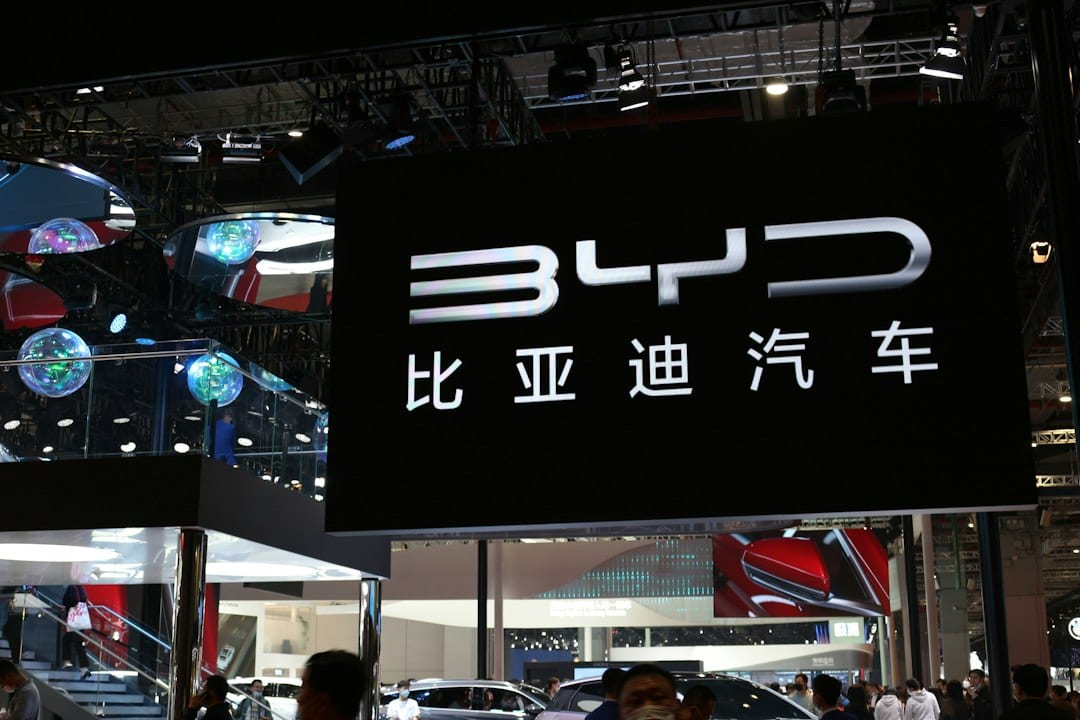
The familiar parade of Japanese bakkies and German sedans now shares road space with unfamiliar badges - and increasingly, those badges are Chinese.
According to recent reports, Chinese vehicle brands claimed 9.1% of Namibia's total vehicle market in 2025, up from 7.5% the year prior - the strongest performance yet for Chinese manufacturers in the country.
Haval, Jetour, and GWM are no longer fringe players, with Haval breaking into Namibia's top five selling brands for the first time.
Competitive pricing and well-equipped models are winning over buyers who feel less bound by traditional brand loyalty.
But the shift runs deeper than badge curiosity.
Rising fuel costs are reshaping how Windhoek drivers weigh the true price of daily commuting, and that is where hybrid vehicles are entering the conversation in a meaningful way.
Hybrids currently account for less than 4% of new-vehicle sales in Namibia, though that figure is widely expected to grow as petrol prices remain elevated.
A hybrid pairs a petrol engine with an electric motor - a combination that suits Windhoek's short urban commutes while still handling the long open-road drives that define life in Namibia.
The case for fully electric vehicles in Windhoek is more nuanced.
Officials confirmed the city inaugurated its first public EV charging port in September 2025, with the Ministry of Works and Transport also launching a pilot station at its headquarters.
Meaningful progress - but the infrastructure gap across Namibia's vast geography remains a real constraint.
Hybrids sidestep that problem entirely, needing no charging network and delivering no range anxiety on the road to Swakopmund or beyond.
Buyers should still weigh the full picture: higher upfront costs, a more complex powertrain, and battery replacement expenses after the warranty expires.
Technology is also moving fast - the hybrid that looks cutting-edge today may feel dated within two years.
For Windhoek drivers willing to embrace the shift, the road ahead has never offered more choice. |
22 Comments
Join the conversation
German sedans still look better. Just saying
bought a GWM earlier this year and zero complaints so far
Haval top five already? That was fast
cutting edge today dated in two years is the risk with any new tech though
at least hybrids dont need the charging network. That part sold me
fully electric makes zero sense right now. One charging port is not infrastructure
prices on some of these Chinese SUVs are actually wild compared to what Toyota wants
what happens when the hybrid battery dies and theres nobody here to replace it properly
complex powertrain is a real concern when you live far from a decent workshop
my neighbour just bought a Haval H6 and she loves it
Japanese bakkies arent going anywhere. Parts are too easy to find here
the road to Swakopmund point is a good one. Range anxiety on that stretch would stress me out
GWM bakkie is everywhere in Katutura now
interesting
hybrid makes total sense here. Short drives in town plus the occasional Swakop run
Jetour has a really nice interior for the price ngl
battery replacement costs after warranty is the part nobody talks about
one charging port in the whole city lol
still not convinced about Chinese brands. My Toyota has never let me down
9.1% already? Feels like more when you drive around town
the fuel savings alone make a hybrid worth it honestly
finally saw a Haval on Robert Mugabe Ave last week and had no idea what it was