
Namibia Unemployment Rate and the Windhoek Job Market |
A closer look at youth unemployment in Namibia and the growing demands on both job seekers and employers |
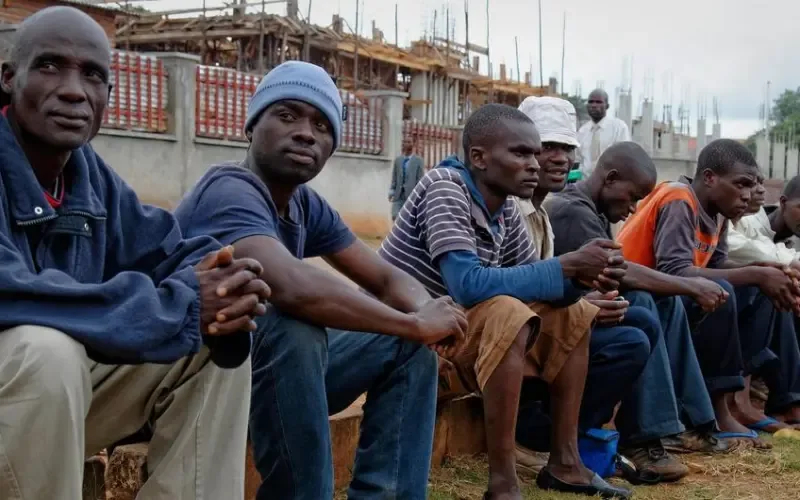
Namibia's unemployment crisis has long resisted easy answers, but the numbers arriving in 2025 demand more than just headlines - they demand honesty.
The question circulating in offices, shops, and factory floors across Windhoek and beyond is one that makes both sides of the debate uncomfortable: is joblessness always a matter of scarce opportunity, or does workplace behaviour play a role too?
The data tells a sobering story first.
According to the most recent figures from the Namibia Statistics Agency, the broad unemployment rate stands at 36.9% - one of the highest in the entire southern African region.
Among young Namibians aged 15 to 34, that figure climbs even further, touching roughly 44%, with young women facing the sharpest burden at nearly 48%.
When the wider measure is applied - one that captures both the officially unemployed and those who have simply stopped searching - the combined rate among youth surges past 61%.
Those are not the statistics of a generation choosing idleness.
They are the statistics of an economy that has not grown fast enough to absorb its people.
A recent assessment commissioned to map Namibia's economic potential identified scope for up to 26,400 new jobs through expanded industrial development and value addition - a figure that underscores both the opportunity ahead and the scale of what remains missing today.
Yet employers in the Windhoek job market continue to raise concerns that cannot simply be waved away.
The complaint heard most often is not about qualifications - nearly a quarter of Namibians aged 18 to 35 now hold post-secondary credentials - but about readiness.
Communication, adaptability, punctuality, and the resilience to stay committed when things are difficult: these are the qualities employers say are increasingly hard to find.
One labour market observer put it plainly: certificates and degrees can be taught, but the mindset to show up, engage, and grow takes something that no classroom fully delivers.
The in-demand roles across Windhoek in 2025 - from medical professionals and engineers to ICT specialists and data analysts - all carry the same expectation: technical knowledge wrapped in strong interpersonal capability.
Meanwhile, Namibia's informal economy has quietly become the country's largest employer, absorbing more than 418,000 workers, most of them in agriculture, hospitality, and food services - sectors where job security remains fragile and wages modest.
Employers who demand reliability while offering below-living wages and no career pathway are also part of this story.
The employment relationship carries obligations on both sides, and workplaces that treat people as interchangeable rarely inspire the commitment they expect.
Namibia does not lack ambition in its young people - it lacks sufficient pathways that connect education to meaningful, sustained work.
Until the Namibia unemployment rate falls through genuine job creation, skills alignment, and employer accountability, the debate will keep circling the same uncomfortable truth: the problem is structural, not personal - and solving it will require both sides to do better. |
0 Comments
Join the conversation
Be the first to comment
Share your thoughts above.