
National Youth Service Opportunities in Windhoek |
Exploring compulsory national service and the growing demand facing NYS Namibia |
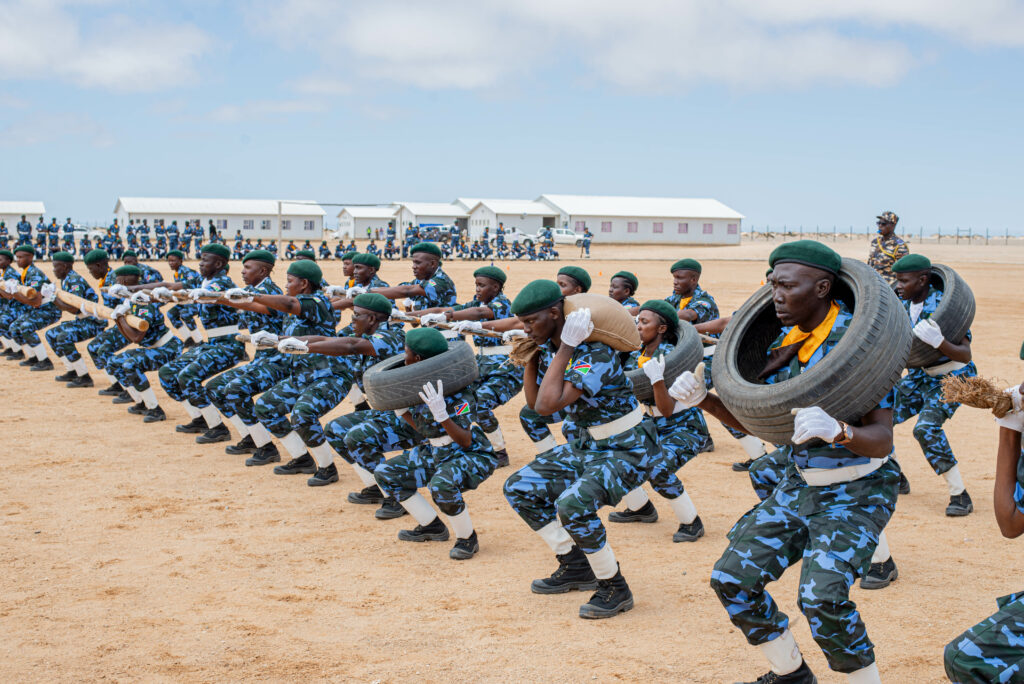
A bold policy conversation is taking shape in Windhoek, and it could redefine the future of thousands of young Namibians still finding their footing after leaving school.
The prospect of compulsory national service is no longer just a distant idea — it is now a live discussion at the highest levels of government.
During the inauguration of the newly appointed National Youth Service (NYS) board at the NYS headquarters in Windhoek, the cabinet minister responsible for education, innovation, youth, sport, arts and culture confirmed that the government is actively examining what mandatory national service could look like for young Namibians — especially those transitioning out of secondary school.
The proposal has gathered momentum regionally, with neighboring South Africa having floated similar ideas in recent years.
Officials are clear, however, that enthusiasm alone will not move policy forward.
Any shift toward compulsory national service would demand rigorous consultation, and both legislative and policy frameworks would need to be built from the ground up.
The minister stressed that the matter must be handled thoughtfully and responsibly, given the scale of what such a programme would demand from government institutions, communities, and young people alike.
What makes the conversation especially timely is the sheer scale of demand already overwhelming the NYS.
Nearly 18,000 young Namibians applied for just the 17th recruit intake scheduled for 2026 — a staggering figure that underscores both the hunger for opportunity and the institution's capacity challenges.
With Namibia's unemployment rate hovering at nearly 37 percent, the rush to secure a place in national service programmes reflects a sobering reality facing youth across the country.
The NYS currently offers eleven accredited skills trades registered with national training authorities, ranging from agriculture and clothing production to automotive training — all designed to make young Namibians more employable or capable of self-employment.
But infrastructure, funding, and oversight must all scale up if the service is to meet the moment.
The newly appointed board was urged to move beyond rubber-stamping management decisions and to instead ask the hard questions that protect public resources and sharpen institutional direction.
Equitable access emerged as a central theme — ensuring that young people from rural regions and lower-income households are not left behind as the NYS expands.
Success, officials argued, should be measured not merely by recruitment numbers, but by how many graduates go on to secure jobs, pursue further education, or build sustainable livelihoods.
The board was tasked with crafting a three-year strategic vision and establishing clear performance benchmarks.
Sustainable funding models will be essential if compulsory national service ever becomes a reality — and if the NYS is to serve not just those who apply, but every young Namibian who needs a pathway forward. |
0 Comments
Join the conversation
Be the first to comment
Share your thoughts above.