
Dam Water Levels in and around Windhoek |
Your source for the latest dam bulletin Namibia updates and dam capacity percentage insights |
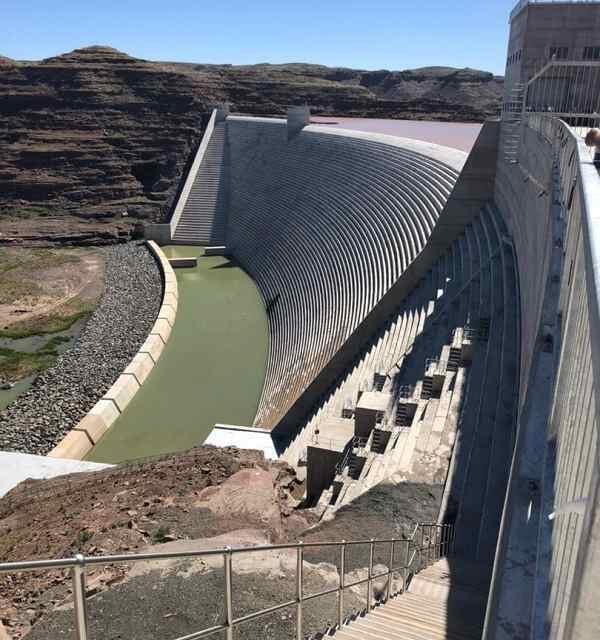
Every week, thousands of Windhoek residents quietly wait for the same piece of news - the latest dam water levels that determine whether life in the capital runs smoothly or under strain.
The weekly dam bulletin, issued by the Namibia Water Corporation, has become one of the most closely watched documents in the country, and for good reason.
According to recent reports, the combined dam capacity percentage of the Swakoppoort, Von Bach, and Omatako dams - the three key reservoirs supplying the Windhoek area - has shown notable fluctuation, sitting significantly lower than corresponding figures from the previous season.
The contrast is difficult to ignore.
Whereas those same dams held well above 85% of their combined capacity during the same period a year ago, recent dam bulletin Namibia updates reflect levels hovering closer to the mid-fifties in percentage terms - a drop that carries real consequences for households, farmers, and industry alike.
Goreangab Dam, located within the capital itself, has at times reached full capacity, offering a brief but welcome buffer against the broader regional shortfall.
Still, that relief is partial at best.
Officials confirmed that water transfers between dams - most notably from Swakoppoort Dam to Von Bach Dam - have been used as a management tool to balance supply across the network during periods of pressure.
Reading the dam bulletin Namibia report requires a degree of local literacy.
A blank space or an indicator marked 'NR' means no readings were received for that station.
An 'e' signals an estimated water level, while a 'w' flags that windy conditions made an accurate reading impossible.
These technical markers matter - they shape how authorities plan water distribution across a city already navigating a challenging hydrological season.
It is also worth noting that Omatjenne Dam carries no abstraction facilities, and that the inflow figures published in each bulletin do not factor in evaporation or water abstraction - meaning the on-the-ground reality is often tighter than the raw numbers suggest.
That gap between reported data and lived experience is where the pressure truly builds.
Dam water levels across Namibia remain a public concern that goes far beyond bureaucratic record-keeping.
For communities in and around Windhoek, each dam capacity percentage figure represents drinking water, agricultural viability, and economic stability rolled into a single number.
Staying informed through the dam bulletin Namibia is not just advisable - it is essential. |
12 Comments
Join the conversation
i never knew the w marker meant windy conditions. You learn something new
the evaporation point is something people always forget about. The real numbers are worse than what gets published
85 percent last year and mid fifties now. That is a huge difference
farmers around the area must be really stressed right now
its concerning
the transfers from Swakoppoort to Von Bach are interesting, did not know they did that
my garden is already suffering and we are barely into the season
Goreangab reaching full capacity is good news at least
what does NR even mean i always wondered
Von Bach was nearly full last year this time. Crazy how fast things change
i check the bulletin every week like clockwork
mid fifties percent is really bad for this time of year